​​28 Tuff Tray Activities for Preschool Classrooms​

By Becker's

Here's the scoop: a shallow plastic tray, a handful of materials, and a focused learning intention can become one of the most powerful tools in your early childhood classroom. That's the magic of tuff tray play — and educators across the country are catching on. Whether you're brand new to tuff trays or you've been setting them up for years, this guide covers everything you need: the why behind tray-based exploration, the four building blocks of a great tuff tray setup, and 28 ready-to-use activity ideas you can pull from any time.

What Is a Tuff Tray and Why Does It Work?

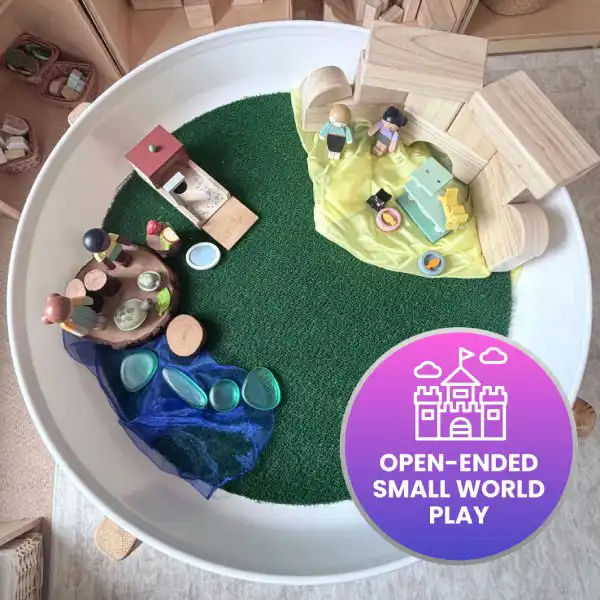
A tuff tray (sometimes called a Deep Spot or sensory tray) is a sturdy, low-sided tray originally designed for mixing construction materials. Early childhood educators discovered its potential as an intentional play space: large enough for group exploration, low enough for toddlers to access independently, and adaptable to virtually any theme, season, or learning goal. The versatility is rooted in research. NAEYC describes play as “an important vehicle for developing self-regulation as well as for promoting language, cognition, and social competence.” Tuff trays can be used for open-ended play, guided play, and teacher-led play.

Who Can Use a Tuff Tray?

Play-based learning trays can be used at any age, but they are especially beneficial during early childhood.

Where Can You Use a Tuff Tray?

Tuff Trays are made to be used indoors and out. They are lightweight, durable, yet portable.

Why Are Tuff Trays Popular?

They contain the mess, hold up to daily use, and reset in minutes. Open-ended by design, the same tray works for a sensory bin one week and a small-world science station the next — and every child engages with it differently.

Four Parts of a Tuff Tray

1. Tray Base

The tray is the foundation. They have varied heights and colors and should be selected based on the content and activities placed into it. They come in standard and mini sizes and can be used on the floor, on a low table, or on an adjustable stand for accessibility. Trays can be lined with painted paper or fabric to create an instant scene: blue for water, white for snow, green for a meadow. Accessories can also be purchased to support the tray, including inserts, toppers, and covers.

2. Filler

The filler is the sensory medium that fills the tray and anchors the tactile experience. This is where the hands-on magic happens.

  • Dry fillers: Sand, kinetic sand, shredded paper, pebbles, soil, cloud dough.
  • Wet fillers: Water, colored water, mud, shaving foam, cornstarch and water (oobleck).
  • Moldable fillers: Playdough, air-dry clay, kinetic foam, moon sand.
  • Natural/loose: Leaves, moss, bark, pinecones, flower petals, grass, acorns, wood chips.

3. Themed Materials

Themed materials are the objects placed within or on top of the filler to anchor the activity to a learning goal or narrative.

  • Small world figures: Animals, people, vehicles, insects, dinosaurs.
  • Loose parts: Gems, buttons, shells, pom-poms, feathers, tiles, mirror pieces, wooden discs.
  • Themed props: Number cards, letter tiles, miniature trees, fences, food replicas.

Loose parts in particular — open-ended, non-prescriptive materials — are strongly supported by Reggio-inspired and constructivist learning frameworks. They invite children to create meaning rather than follow a script.

4. Tools & Manipulatives

Tools invite children to interact with the tray in purposeful, skill-building ways. The right tools can shift a simple sensory experience into targeted fine motor practice or scientific inquiry.

  • Fine motor tools: Tweezers, tongs, pipettes, droppers, syringes, chopsticks.
  • Scooping & pouring: Cups, scoops, ladles, funnels, small pitchers, buckets.
  • Measuring: Rulers, measuring cups, balance scales, timers.
  • Mark-making: Paintbrushes, sticks, fingers, rakes, stamps, rollers.
  • Science tools: Magnifying glasses, droppers, test tubes, sorting containers.

When you bring all four components together, you have a tuff tray that delivers real, measurable developmental growth — and a classroom full of children who can't wait to explore it.

28 Tuff Tray Activities for Preschool

Ready to get started? Here are 28 tuff tray activities designed to build real skills across every learning domain — pick one, grab your tray, and go.
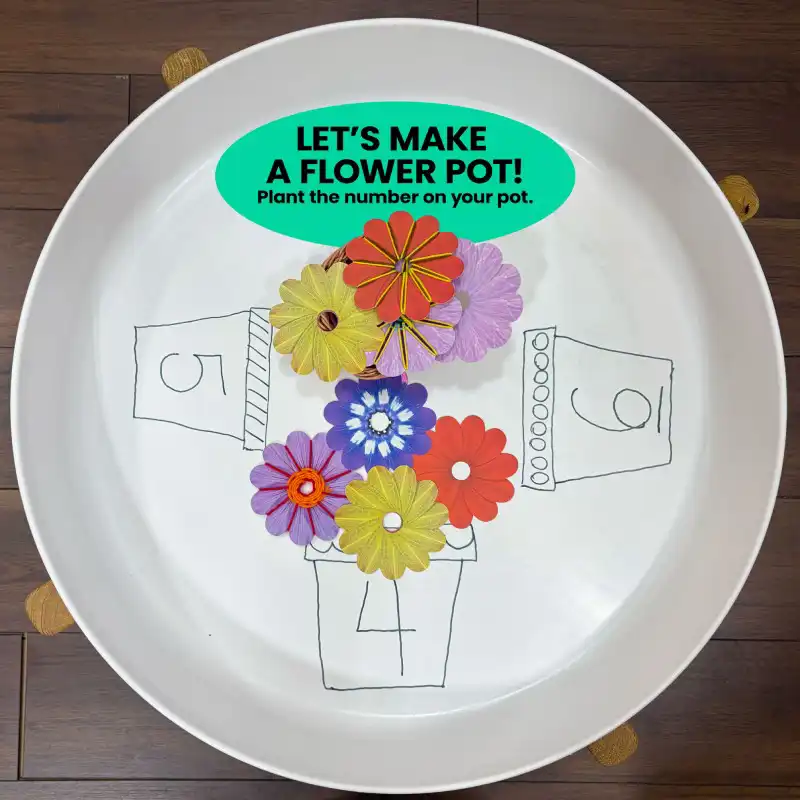
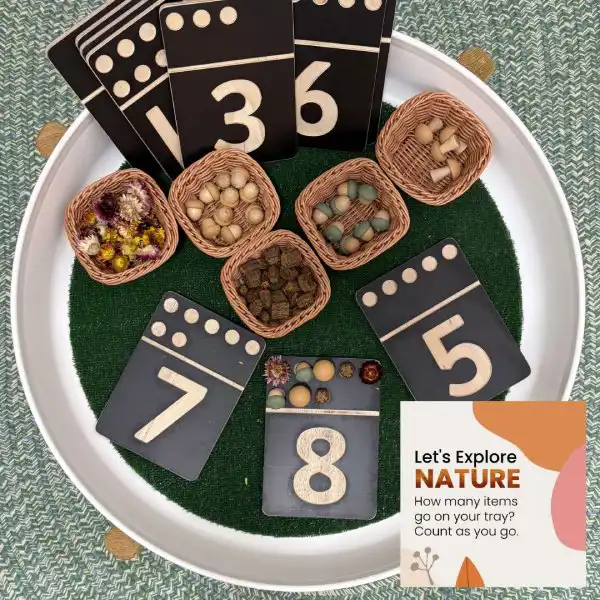
Preschool tuff tray activity using flowers and number stones to build early math skills.

1. Blooming Numbers

Ages 4+ Math Fine Motor

Materials

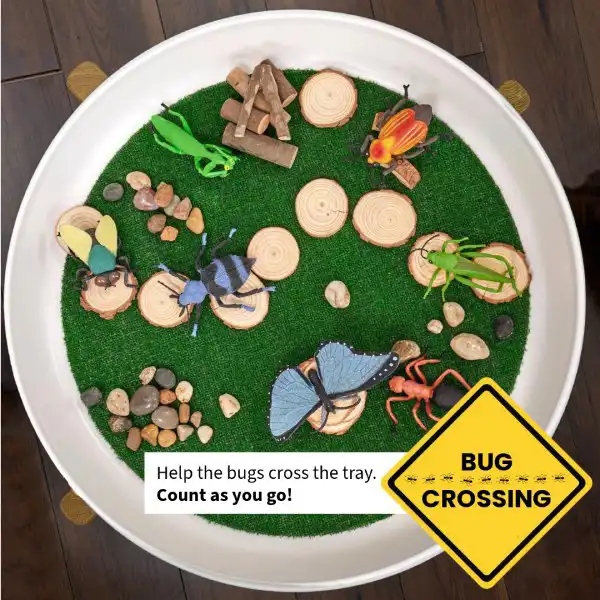
Bug-themed tuff tray activity for preschool science exploration and counting practice.

2. Bug Crossing

Ages 3+ Science Math

Materials

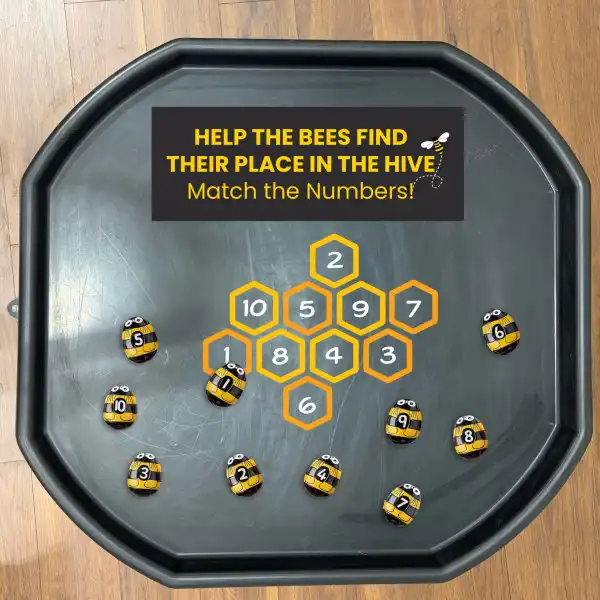
Bee-themed tuff tray activity that supports counting and number recognition.

3. Busy Bees Number Match

Ages 3+ Math Science

Materials

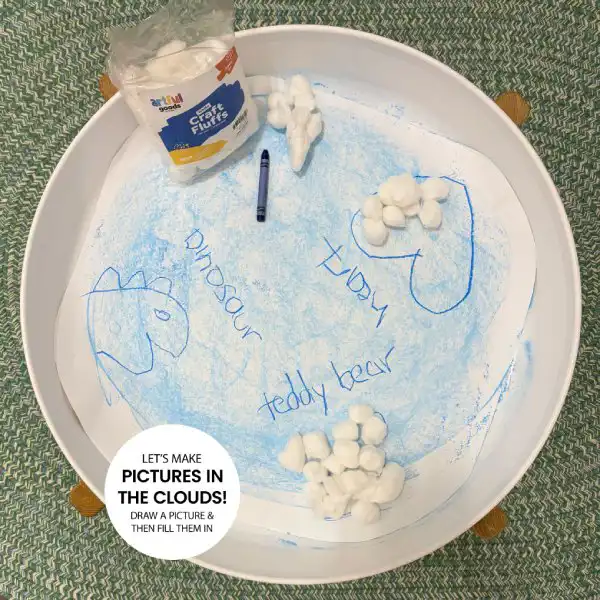
Creative tuff tray activity using chalk and textures for preschool art exploration.

4. Cloudy with a Chance of Art

Ages 3+ Fine Motor Writing Literacy Math

Materials

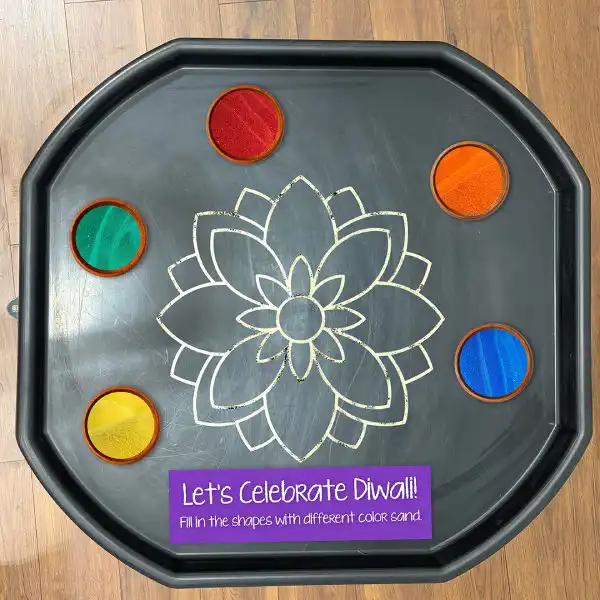
Colorful tuff tray activity inspired by Diwali traditions and cultural learning.

5. Colors of Diwali

Ages 3+ Math Science Diversity Cultures

Materials

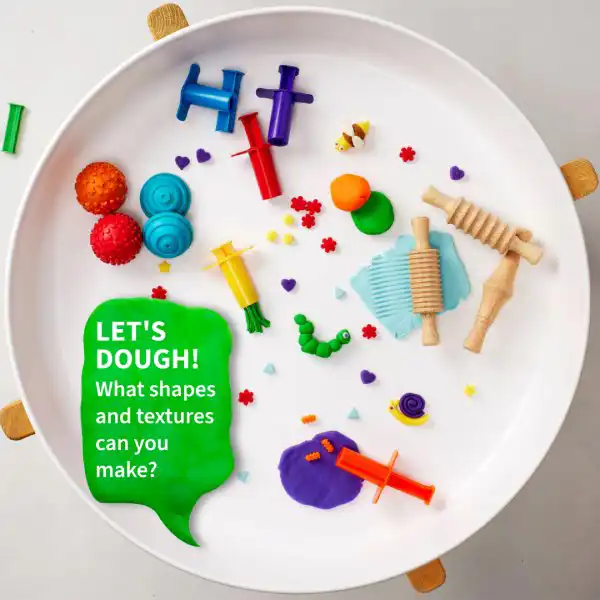
Hands-on tuff tray activity with dough for sensory exploration and fine motor development.

6. Dough Day

Ages 3+ Fine Motor Sensory

Materials

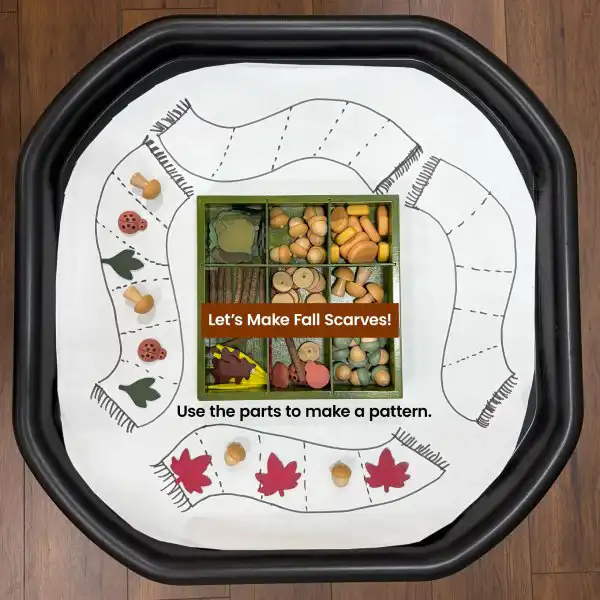
Nature-inspired tuff tray activity that teaches sorting and patterning skills.

7. Fall into Patterns

Ages 3+ Math Science

Materials

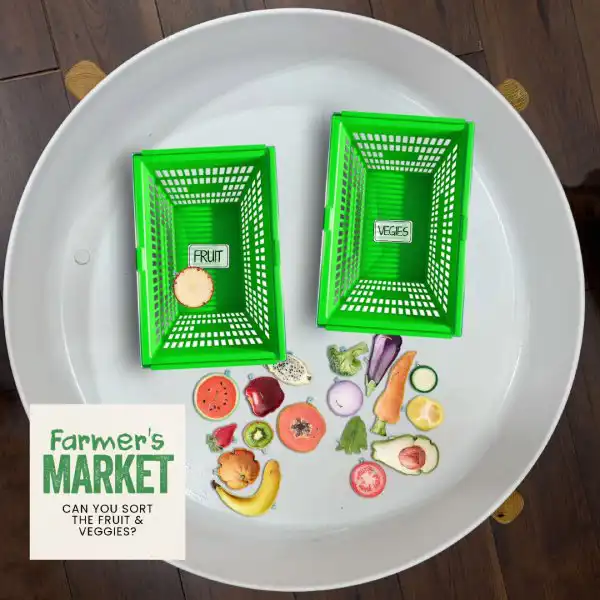
Dramatic play tuff tray activity featuring food sorting and pretend shopping.

8. Farmer’s Market Sort

Ages 18 months+ Math Literacy Dramatic Play

Materials

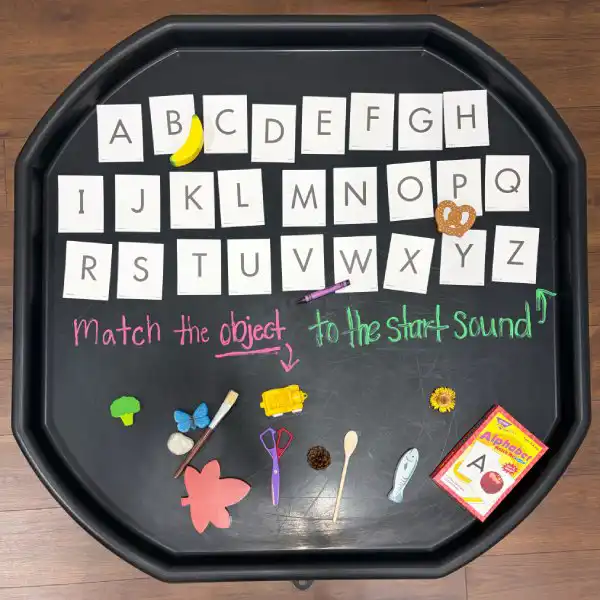
Literacy tuff tray activity that encourages letter recognition and early reading skills.

9. First Letter Find

Ages 4+ Literacy

Materials

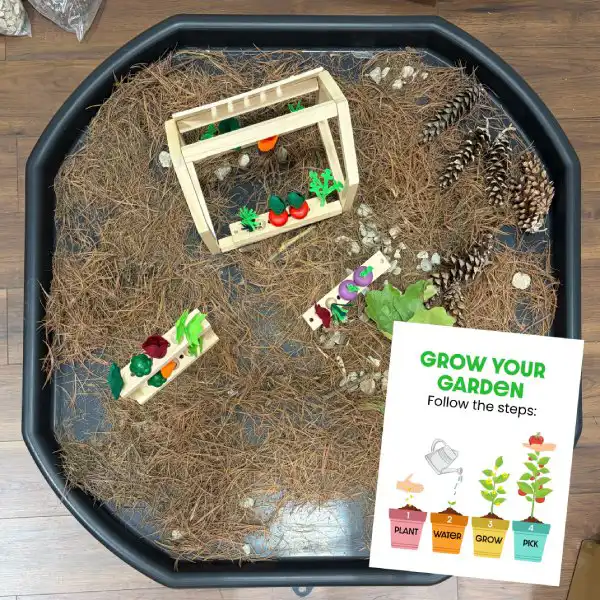
Garden-themed tuff tray activity for preschool science and sensory learning.

10. Growing a Garden Patch

Ages 3+ Science Sensory

Materials

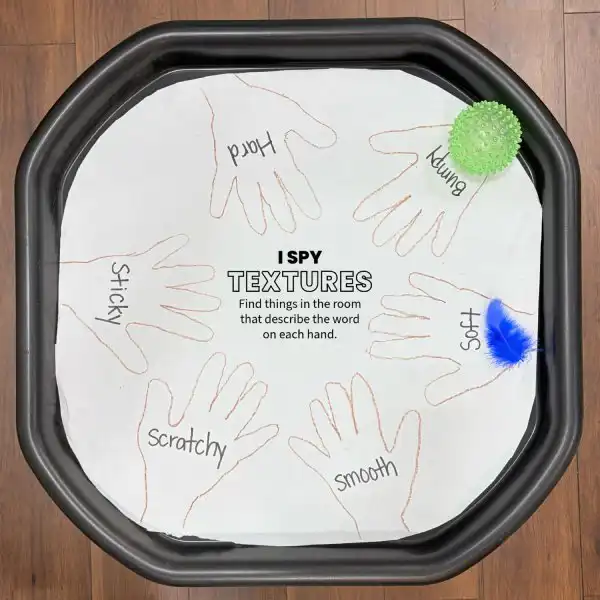
Sensory tuff tray activity exploring different classroom textures and materials.

11. Hands-On Texture Hunt

Ages 3+ Science Sensory

Materials

  • Found materials from your classroom
Sorting activity using loose parts to build early math and classification skills.

12. Heart-Felt Sorting

Ages 3+ Math Science

Materials

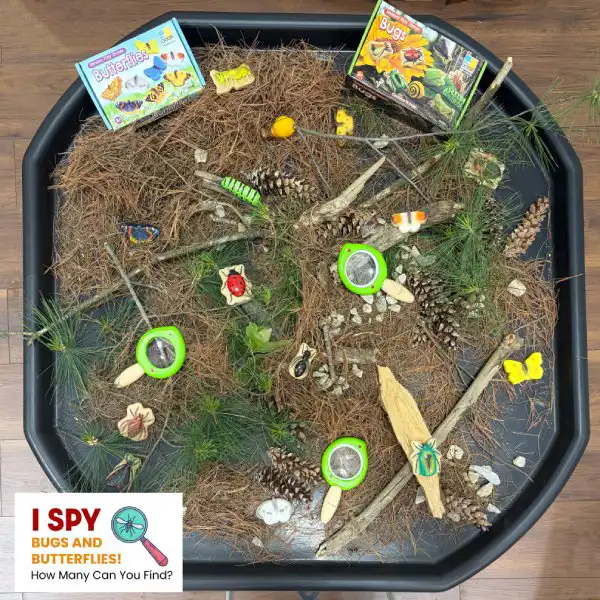
Insect-themed tuff tray activity with magnifiers for science exploration.

13. Hide & Seek: Bug Edition

Ages 3+ Science Sensory Literacy

Materials

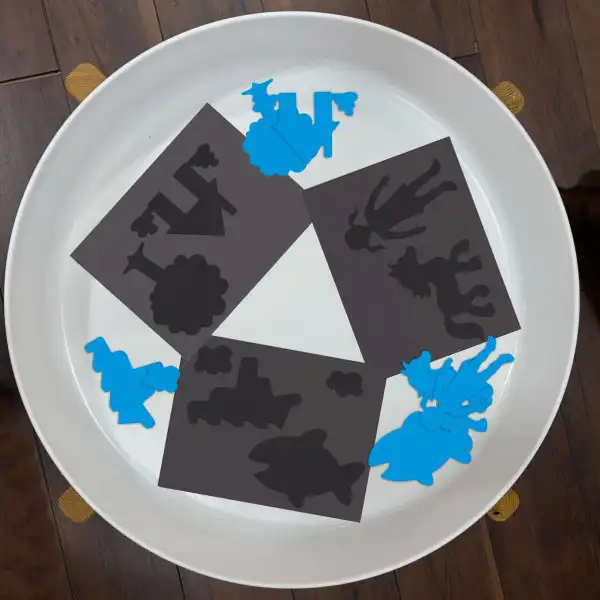
Watercolor tuff tray activity that encourages creativity and fine motor skills.

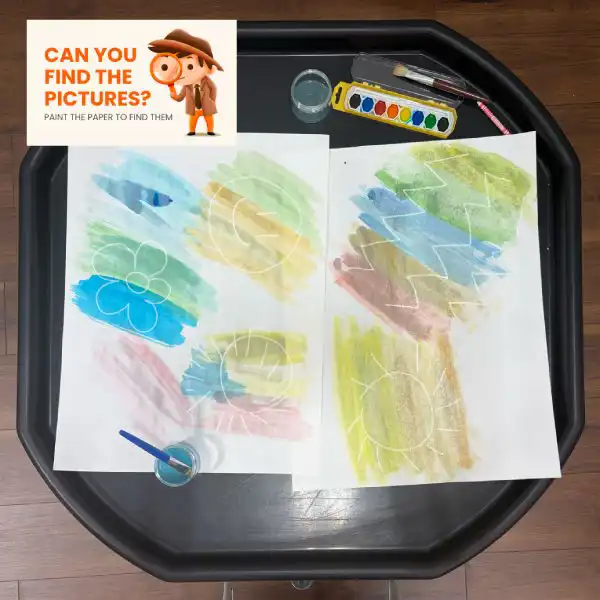
15. Now You See It

Ages 3+ Science Fine Motor Literacy Writing

Materials

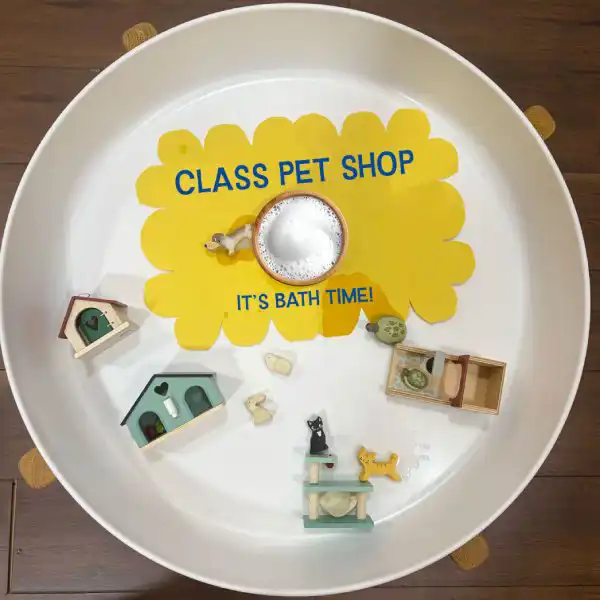
Dramatic play tuff tray activity featuring toy pets and water exploration.

17. Pet Shop Bath Time

Ages 3+ Dramatic Play Communication Literacy

Materials

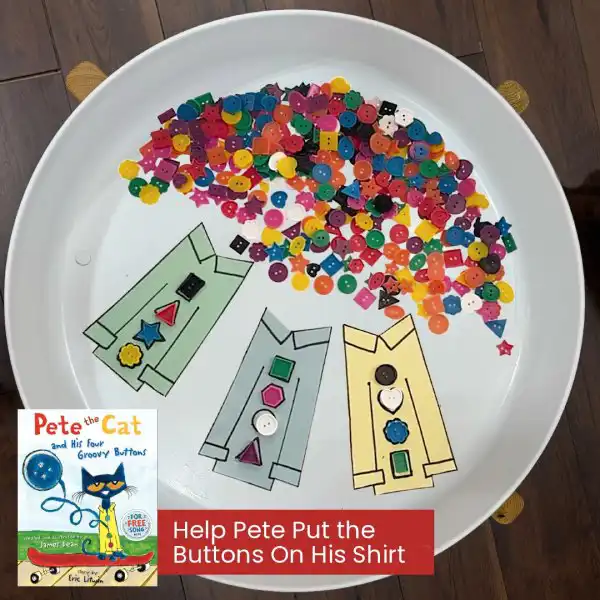
Literacy and counting tuff tray activity inspired by Pete the Cat.

18. Pete’s Groovy Buttons

Ages 4+ Math Literacy

Materials

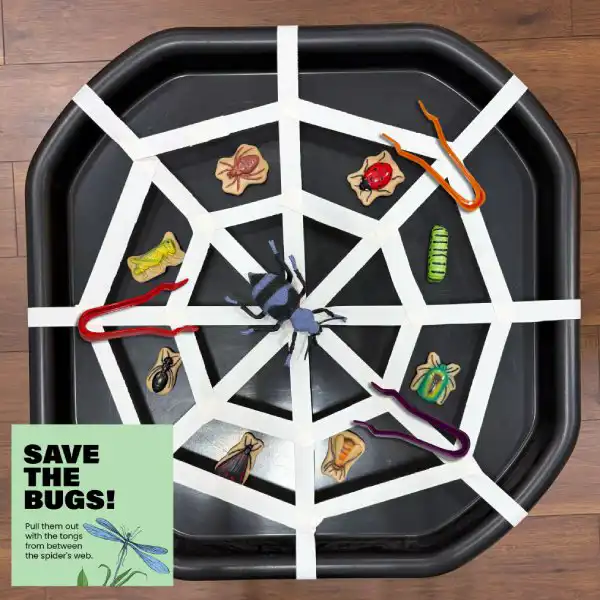
Fine motor tuff tray activity using tweezers to rescue bugs.

19. Save the Bugs

Ages 4+ Fine Motor Science Sensory

Materials

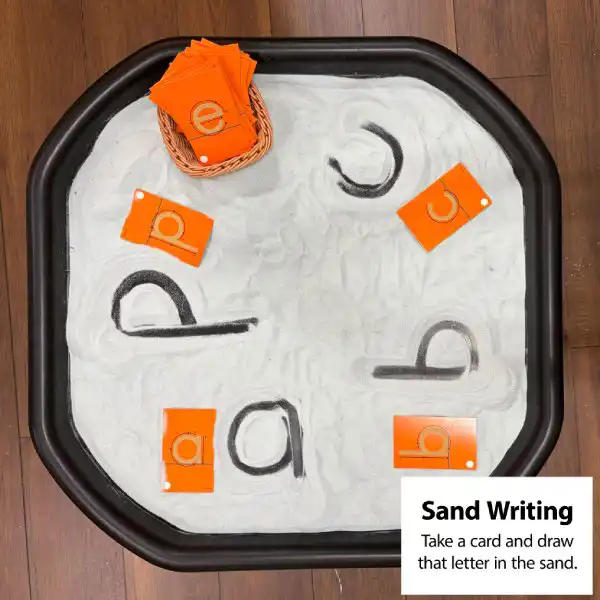
Literacy tuff tray activity with sand and tactile letters for preschool writing practice.

20. Sandy Letters

Ages 3+ Literacy Writing

Materials

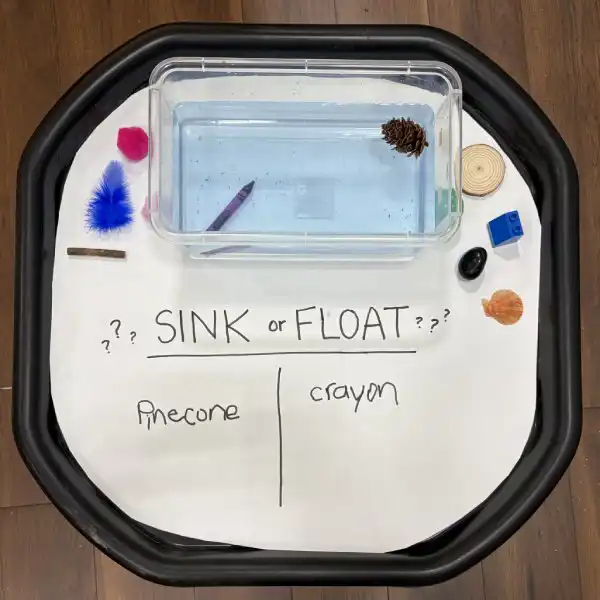
STEM tuff tray activity exploring sinking and floating concepts.

21. Sink or Float?

Ages 3+ Science Sensory

Materials

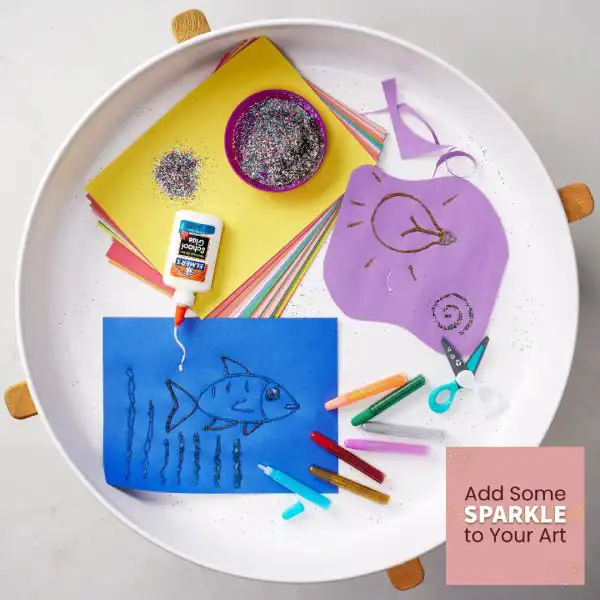
Sparkly sensory tuff tray activity that supports creativity and fine motor skills.

22. Sparkle Art

Ages 4+ Art Sensory Fine Motor

Materials

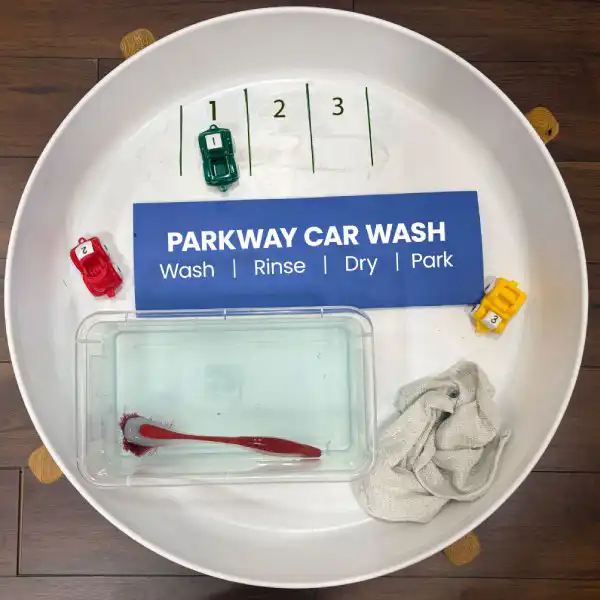
Vehicle-themed tuff tray activity supporting counting and fine motor development.

23. Squeaky Clean Counting

Ages 2+ Math Sensory Fine Motor

Materials

Science-inspired tuff tray activity combining sunlight and creativity.

24. Sun-Kissed Art

Ages 3+ Science Sensory

Materials

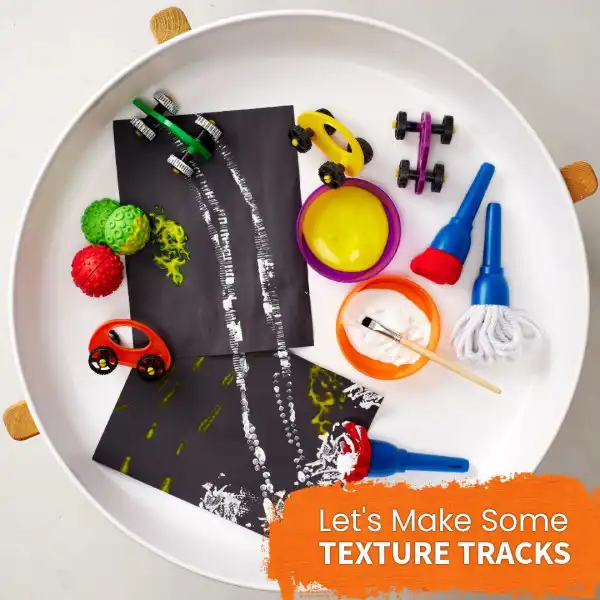
Paint and texture tuff tray activity for sensory exploration and creativity.

25. Texture Tracks

Ages 3+ Sensory Fine Motor

Materials

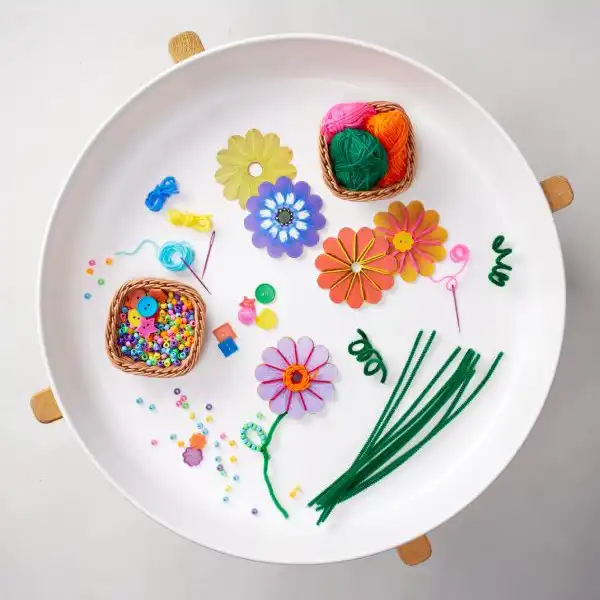
Fine motor tuff tray activity using flowers, beads, and yarn for threading practice.

27. Threading Bouquets

Ages 5+ Fine Motor

Materials

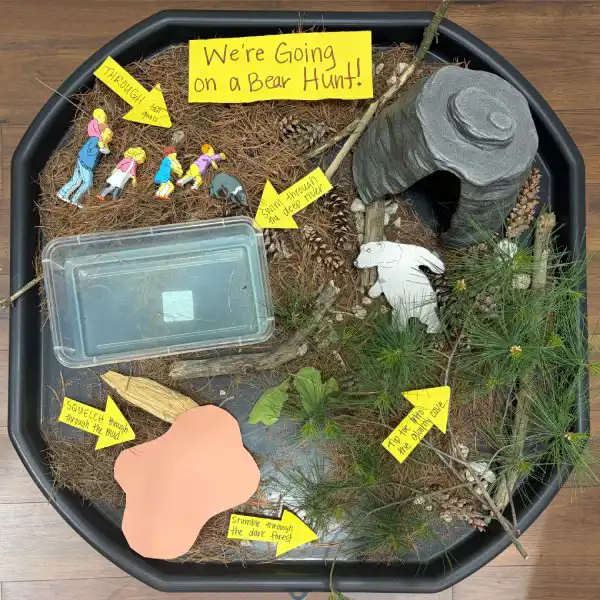
Story-inspired tuff tray activity based on We’re Going on a Bear Hunt.

28. We’re Going on a Bear Hunt

Ages 3+ Literacy Sensory

Materials